Whether you’re a seasoned designer crafting your next breakthrough interface or a product manager wrestling with plummeting user engagement, one question haunts every digital product team: “How do we keep users coming back, and what’s causing them to leave in the first place?”
In today’s hyper-competitive digital landscape, user retention has become the ultimate differentiator between products that thrive and those that disappear into the app store graveyard. Most apps lose 80% of their users within 90 days, and the difference between sustained success and digital oblivion often comes down to understanding what keeps users engaged, how to design for long-term loyalty, and where to focus your optimization efforts.
In this comprehensive guide, we’ll break down everything you need to know about designing for user retention, from cutting-edge design trends to proven conversion strategies, plus actionable principles that actually drive results.
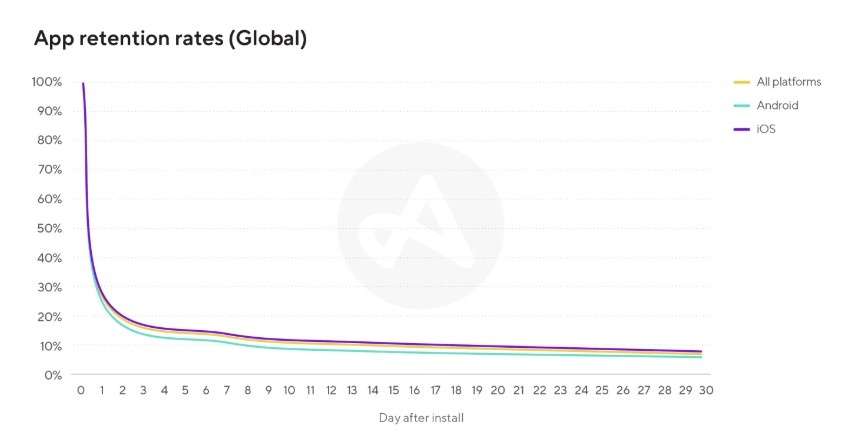
Table of Contents
- What’s Killing Your User Retention (And How to Fix It)
- Design Trends That Actually Move the Needle in 2025
- User-First Design Principles That Convert
- Optimization Strategies for Long-Term Retention
- The Hidden Conversion Killers Nobody Talks About
- Case Studies: What Works (And What Doesn’t)
- Future-Proofing Your Design Strategy
- The Bottom Line
1. What’s Killing Your User Retention (And How to Fix It)
The biggest mistake most design teams make is treating retention as an afterthought rather than a foundational design principle. It’s not just about making things pretty – it’s about creating experiences that users genuinely want to return to, day after day.
The Friction Epidemic
The most significant retention killer is unnecessary friction. Every extra tap, confusing navigation element, or unclear call-to-action creates micro-moments of frustration that accumulate into user abandonment. Research shows that reducing friction by just one step can increase conversion rates by up to 20%.
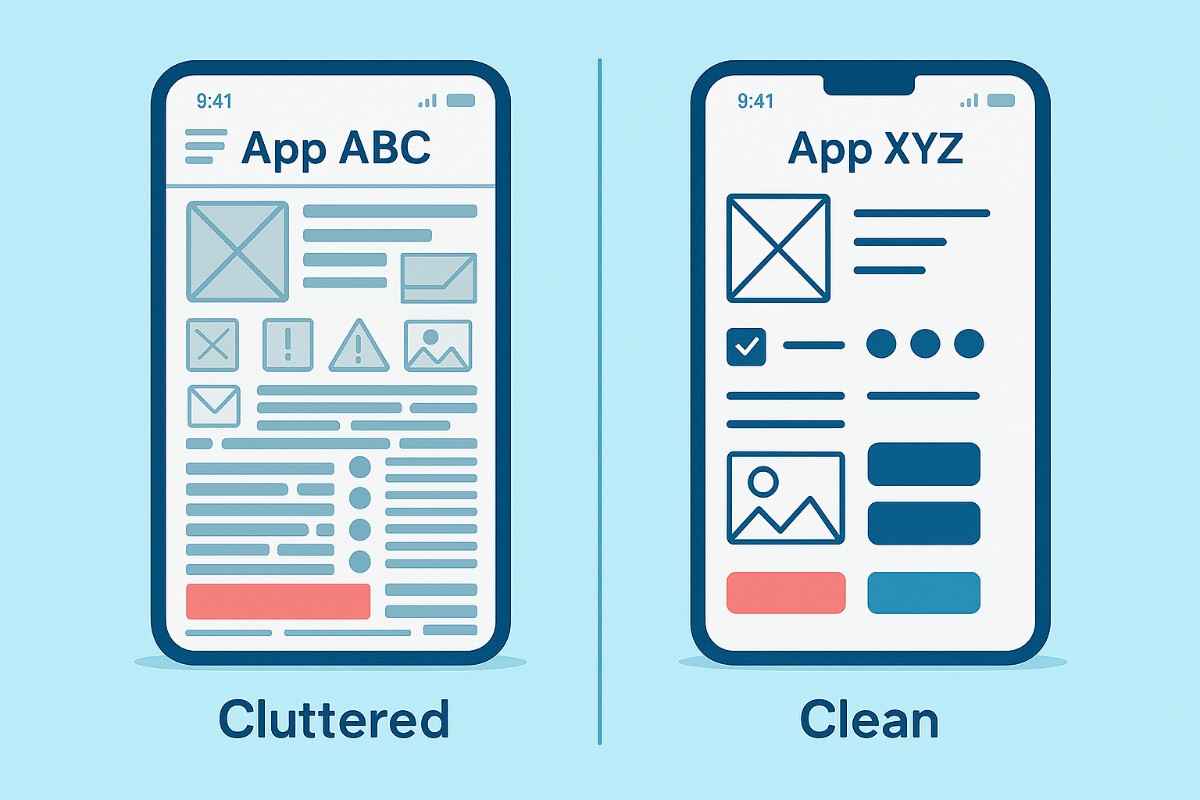
Simple interactions like user onboarding might seem straightforward, but when you add complex registration flows, unclear value propositions, and overwhelming feature introductions, retention rates plummet rapidly. Users make snap decisions about whether to continue using your product within the first 30 seconds.
The Personalization Gap
Here’s where most retention strategies fall apart: treating all users the same. Modern users expect experiences tailored to their specific needs, behaviors, and preferences. Generic interfaces that don’t adapt to individual usage patterns feel outdated and irrelevant.
AI-powered personalization isn’t just a nice-to-have anymore – it’s table stakes. Apps that fail to personalize content, recommendations, and interface elements see retention rates 40-60% lower than those that do.
2. Design Trends That Actually Move the Needle in 2025
Not all design trends impact retention equally. Here are the trends that actually drive user loyalty:
AI-Powered Adaptive Interfaces
The most impactful trend is interfaces that learn and adapt. AI analyzes user behavior patterns, preferences, and context to automatically adjust layouts, content, and functionality. This isn’t just personalization – it’s predictive adaptation.
Spotify’s personalized playlists and Netflix’s content recommendations demonstrate how AI-driven adaptation keeps users engaged by continuously evolving the experience based on behavior.
Microinteractions That Build Emotional Connection
Small, delightful interactions create emotional bonds with users. The satisfying animation when completing a task, the gentle vibration when receiving a notification, or the playful loading animation all contribute to retention through positive emotional associations.
These microinteractions need to feel natural and purposeful, not gratuitous. Every animation should serve a functional purpose while adding emotional value.

Immersive 3D and Spatial Design
Three-dimensional elements and spatial navigation create more engaging, memorable experiences. This trend goes beyond visual appeal – spatial design helps users build mental models of your interface, improving usability and retention.
E-commerce apps using 3D product visualization see 40% higher engagement rates because users can interact with products in more natural, intuitive ways.
Conversational User Interfaces
Voice and chat interfaces reduce friction by allowing natural language interaction. Instead of navigating complex menus, users can simply ask for what they need. This trend is particularly powerful for utility apps and productivity tools.
3. User-First Design Principles That Convert
Designing for retention starts with fundamental principles that prioritize user needs over business goals.
Progressive Disclosure
Don’t overwhelm users with everything at once. Reveal features and information gradually as users demonstrate readiness and need. This principle applies to onboarding, feature discovery, and ongoing engagement.
Slack excels at progressive disclosure by introducing advanced features only after users master basic functionality. This approach prevents overwhelm while encouraging deeper engagement over time.
Consistency Across Touchpoints
Inconsistent experiences create confusion and reduce trust. Users should feel confident that interactions will work predictably across different parts of your product. This consistency extends beyond visual design to include interaction patterns, terminology, and information architecture.
Immediate Feedback and Responsiveness
Users need to know their actions have been registered and understood. Immediate feedback – whether through visual changes, animations, or confirmations – builds confidence and prevents uncertainty that leads to abandonment.
Loading states, button animations, and progress indicators all contribute to the perception of responsiveness, even when actual processing takes time.
4. Optimization Strategies for Long-Term Retention
Retention optimization requires systematic approaches that go beyond surface-level improvements.
The Onboarding Optimization Framework
First impressions are crucial. Effective onboarding should demonstrate value within 30 seconds, require minimal initial investment, provide clear next steps, and create early win moments.
A/B testing different onboarding flows often reveals surprising insights about what actually drives continued usage versus what teams assume will work.
Behavioral Trigger Systems
Design systems that naturally encourage return visits through personalized push notifications based on usage patterns, social features that create connection and obligation, progress tracking that motivates completion, and time-sensitive content or features.
The Habit Loop Integration
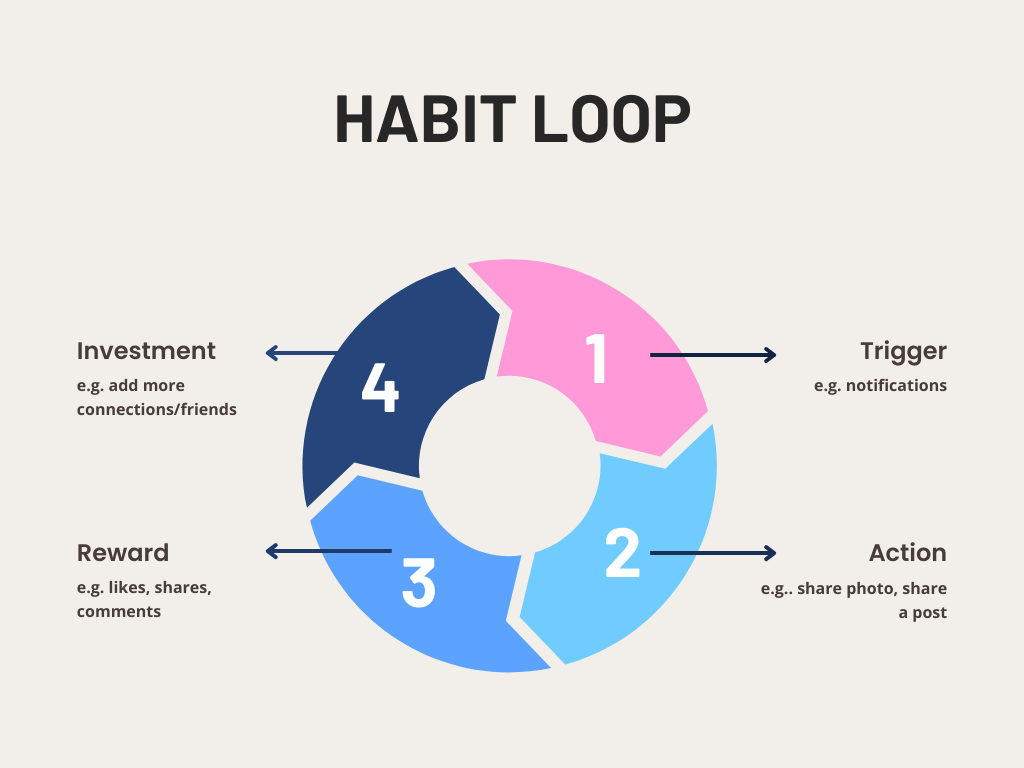
Successful products create habit loops: trigger → action → reward → investment. Users need clear triggers to return, simple actions to complete, immediate rewards for engagement, and investment mechanisms that increase switching costs.
Instagram mastered this with push notifications (trigger), easy photo sharing (action), likes and comments (reward), and social connections (investment).
5. The Hidden Conversion Killers Nobody Talks About
Beyond obvious usability issues, several subtle factors destroy retention:
Performance Anxiety
Slow load times and laggy interactions create subconscious stress that users associate with your product. Even minor performance issues can significantly impact retention, especially on mobile devices.
Modal Fatigue
Overuse of popups, modals, and interruptions trains users to reflexively close or ignore your communications. Every interruption should provide clear value and have easy dismissal options.
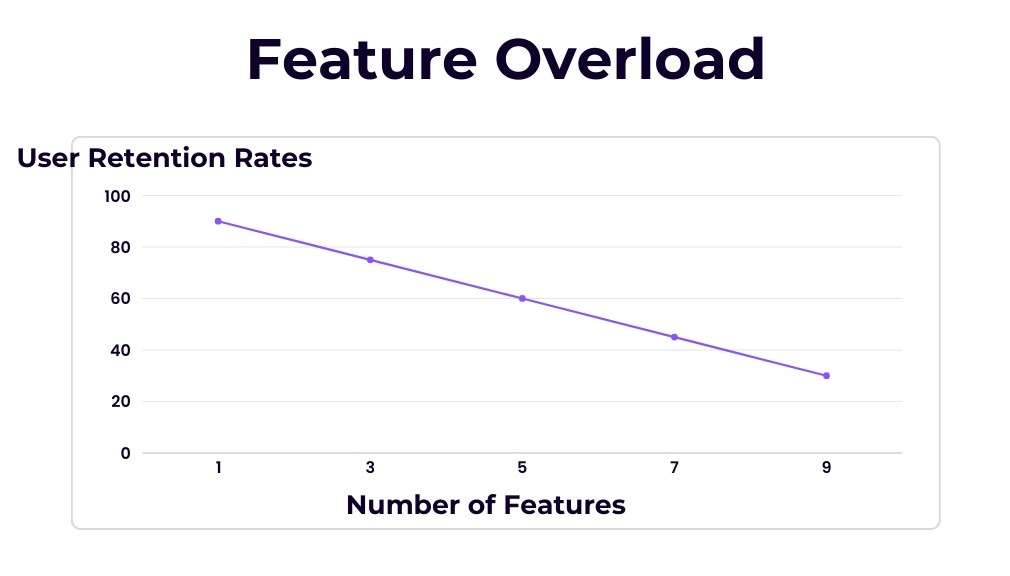
Feature Creep Overwhelm
Adding features without considering their impact on core user flows often reduces retention. New features should enhance primary use cases, not distract from them.
Dark Pattern Backlash
Manipulative design patterns might increase short-term conversions but destroy long-term trust and retention. Users are becoming increasingly sophisticated at recognizing and rejecting dark patterns.
6. Case Studies: What Works (And What Doesn’t)
Duolingo: Gamification Done Right
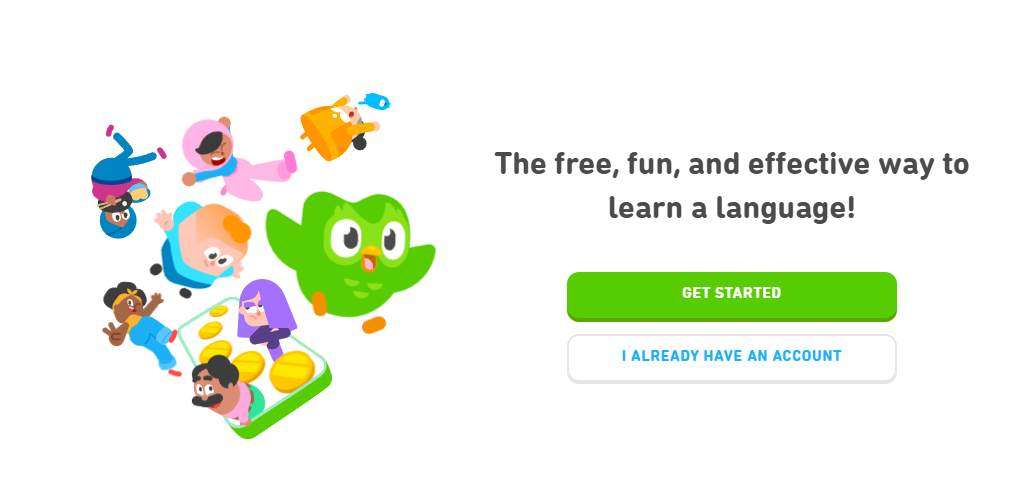
Duolingo’s retention success comes from perfectly balanced gamification. Streaks, achievements, and progress visualization create motivation without feeling manipulative. The key is making the game elements feel natural to the learning experience.
Airbnb: Trust Through Transparency
Airbnb builds retention through design elements that increase trust: detailed photos, verified reviews, host profiles, and clear policies. Users return because they feel confident in their booking decisions.
Notion: Flexibility Without Chaos
Notion balances powerful customization with intuitive defaults. Users can create complex systems without feeling overwhelmed because the interface adapts to their needs while maintaining familiar patterns.
7. Future-Proofing Your Design Strategy
The retention landscape continues evolving. Future-focused strategies include ethical design leadership as users increasingly value products that respect their time, attention, and privacy. Cross-platform consistency becomes crucial as users interact with products across multiple devices. Sustainability and performance considerations will drive demand for efficient, resource-conscious design.

8. The Bottom Line
User retention isn’t just about keeping users – it’s about creating products people genuinely want to use. The most successful digital products treat retention as a core design principle rather than an optimization afterthought.
By understanding what drives users away, implementing proven psychological principles, and staying ahead of meaningful design trends, you can create experiences that not only attract users but keep them engaged for the long term.
Remember: retention-focused design is an ongoing process, not a one-time implementation. The best products continuously evolve based on user feedback, behavioral data, and changing expectations.
The digital landscape rewards products that genuinely serve user needs while creating sustainable value. With strategic design thinking and relentless focus on user experience, your product can build the kind of loyalty that turns users into advocates and creates lasting business success.
Ready to transform your user retention through strategic design? The key is starting with deep user understanding and building from there. Every design decision should ask: “Does this make users more likely to return tomorrow?”
Don’t let poor user retention design sabotage your product’s growth potential. Get a 15-minute free consultation with experienced app developers to identify the critical retention gaps costing you users every day, discover proven design strategies that increase user engagement by 300%+ while reducing churn, and build a comprehensive retention optimization plan that covers conversion-focused design, behavioral triggers, and long-term user loyalty initiatives.