You’ve launched your app, celebrated the milestone, and watched the initial downloads roll in. But here’s the reality check that catches most developers off guard: the launch is just the beginning. The real financial commitment starts now, and it never stops.
App maintenance isn’t just about fixing bugs – it’s about keeping your app relevant, secure, and competitive in an ever-evolving digital landscape. Without proper budgeting for ongoing maintenance, even the most successful apps can quickly become digital graveyards.
This comprehensive guide will help you understand what drives maintenance costs, how to budget effectively for post-launch updates, and how to manage these expenses without derailing your business goals.

Table of Contents
- What Drives App Maintenance Costs Sky-High
- The Reality of Post-Launch Expenses
- How to Budget for Ongoing Updates and Maintenance
- Prioritizing Maintenance Tasks for Maximum Impact
- App Development Funding Options for Long-Term Success
- ROI Strategies That Keep Your App Profitable
- Pro Tips for Managing Costs Without Compromising Quality
- The Bottom Line
1. What Drives App Maintenance Costs Sky-High
Understanding what pushes maintenance costs up is crucial for realistic budgeting. Unlike initial development, maintenance costs are ongoing and can fluctuate dramatically based on several key factors.
App Complexity and Feature Creep
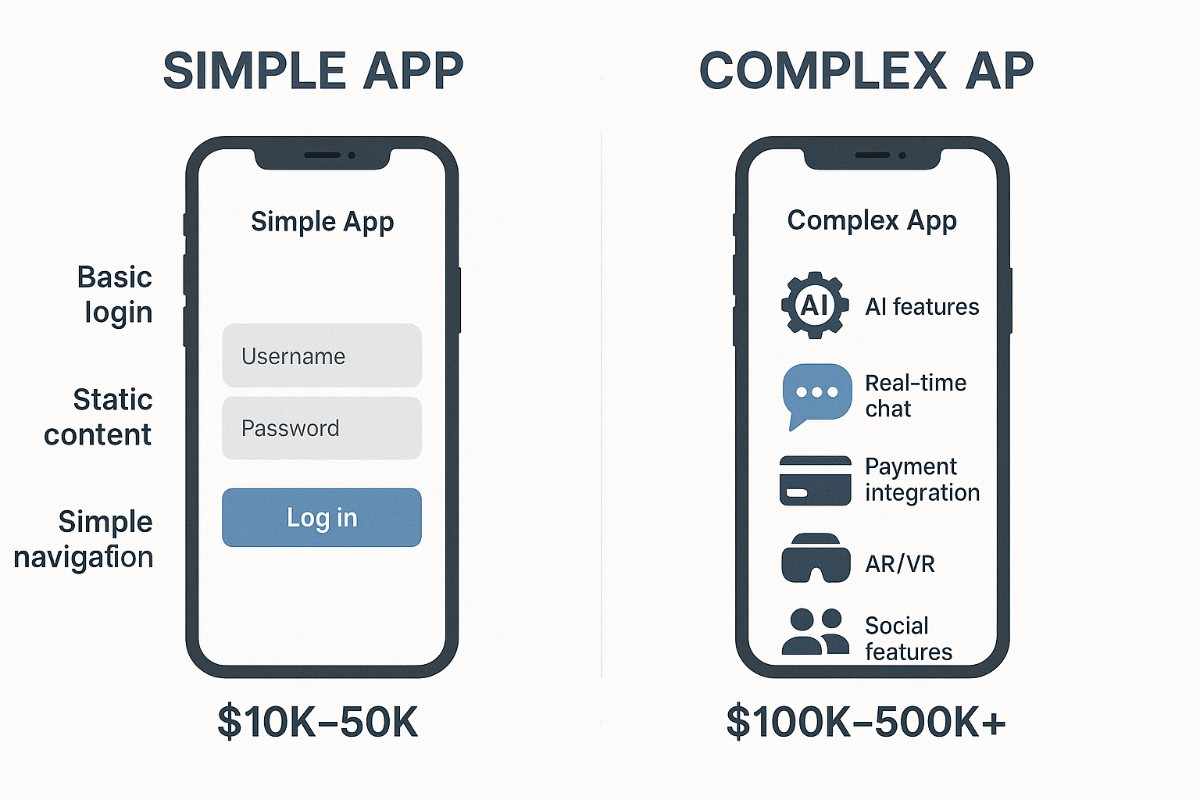
Every feature in your app requires ongoing maintenance. A simple login system might seem straightforward, but when you factor in password recovery, social media integration, two-factor authentication, and security updates, the maintenance complexity multiplies exponentially.
Complex features like real-time messaging, payment processing, or AR functionality can increase annual maintenance costs by 40-60%. Each integration point with third-party services adds another layer of potential failure points and update requirements.
Platform Multiplication Headaches
Supporting multiple platforms doesn’t just double your development costs – it creates an ongoing maintenance nightmare. iOS and Android release major updates annually, and each update can break existing functionality or require compatibility patches.
What starts as “let’s support both platforms” becomes a continuous cycle of testing, updating, and optimizing across different devices, screen sizes, and operating system versions. Many successful apps reduce costs by focusing on their primary platform first, then expanding strategically.
Infrastructure Scaling Challenges
As your user base grows, your infrastructure needs evolve. Server costs, database optimization, and performance monitoring become increasingly complex and expensive. A successful app might outgrow its initial hosting plan within months, requiring significant infrastructure investments.
Cloud services offer scalability, but costs can spiral quickly without proper monitoring and optimization. What starts as a $100/month hosting bill can balloon to thousands as your app scales.
Security and Compliance Requirements
Security isn’t optional – it’s a continuous investment. New vulnerabilities emerge regularly, requiring immediate patches and updates. Compliance requirements like GDPR, CCPA, or industry-specific regulations add layers of complexity that demand ongoing attention.
Data breaches can destroy your app’s reputation overnight, making security maintenance a business-critical expense rather than a nice-to-have feature.
2. The Reality of Post-Launch Expenses
Here’s the truth most entrepreneurs aren’t prepared for: your app’s launch day is when the real costs begin. Think of your app like a high-performance vehicle – it needs regular maintenance, periodic upgrades, and constant attention to keep running smoothly.
The 20-30% Annual Rule
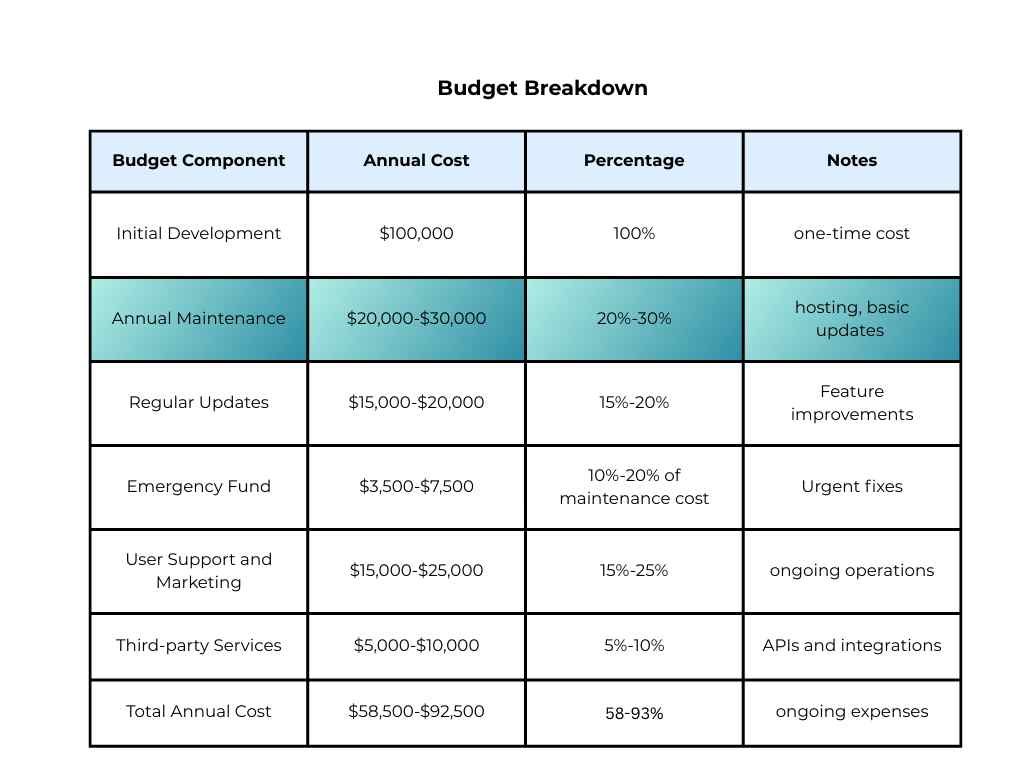
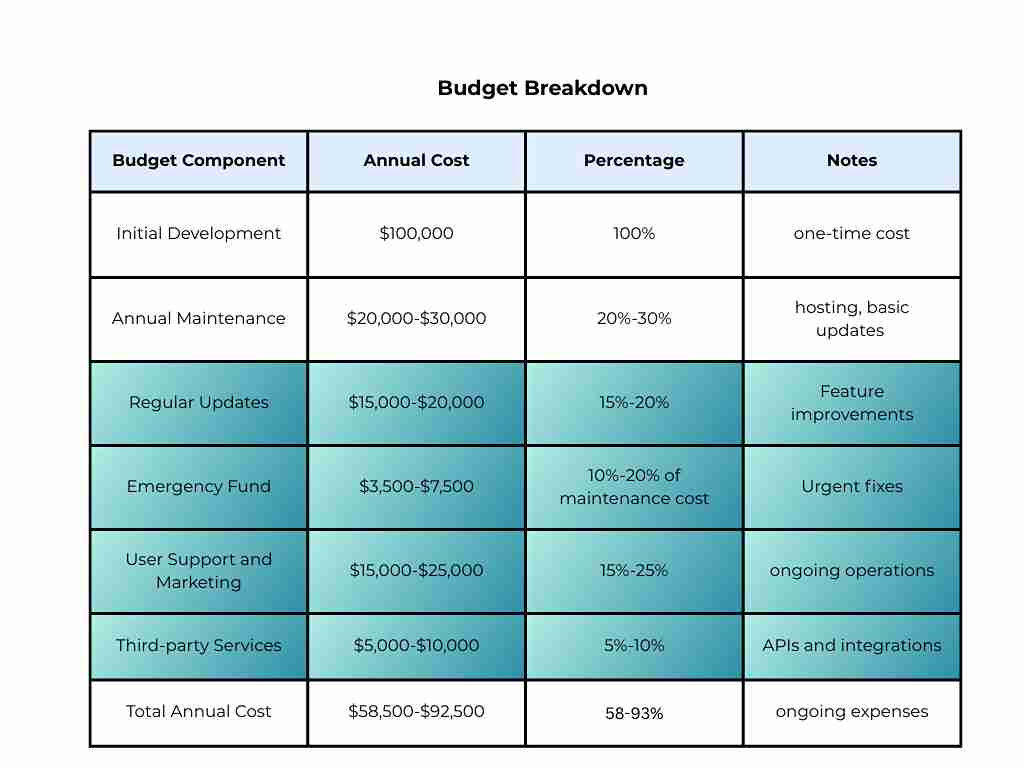
Industry standards suggest budgeting 20-30% of your initial development cost annually for maintenance. For a $100,000 app, that’s $20,000-$30,000 per year just to keep the lights on. This covers essential services like server hosting, security updates, bug fixes, and basic operational requirements.
This percentage isn’t arbitrary – it’s based on real-world data from thousands of apps across different industries and complexity levels. Apps that budget less often face critical issues that require emergency fixes, ultimately costing more than proactive maintenance.
Beyond Basic Maintenance
Basic maintenance only covers keeping your app functional. To remain competitive, you’ll need additional budget for:
- Feature enhancements: 15-25% of initial cost annually
- UI/UX improvements: 10-20% annually
- Performance optimizations: 5-15% annually
- Marketing and user acquisition: 20-40% annually
The Compound Effect
Maintenance costs compound over time. As your app becomes more complex and your user base grows, the cost of maintaining quality increases. Features that worked perfectly at launch might need complete rewrites as technology evolves and user expectations change.
3. How to Budget for Ongoing Updates and Maintenance
Effective maintenance budgeting requires a strategic approach that balances immediate needs with long-term sustainability.
Create Category-Based Budgets
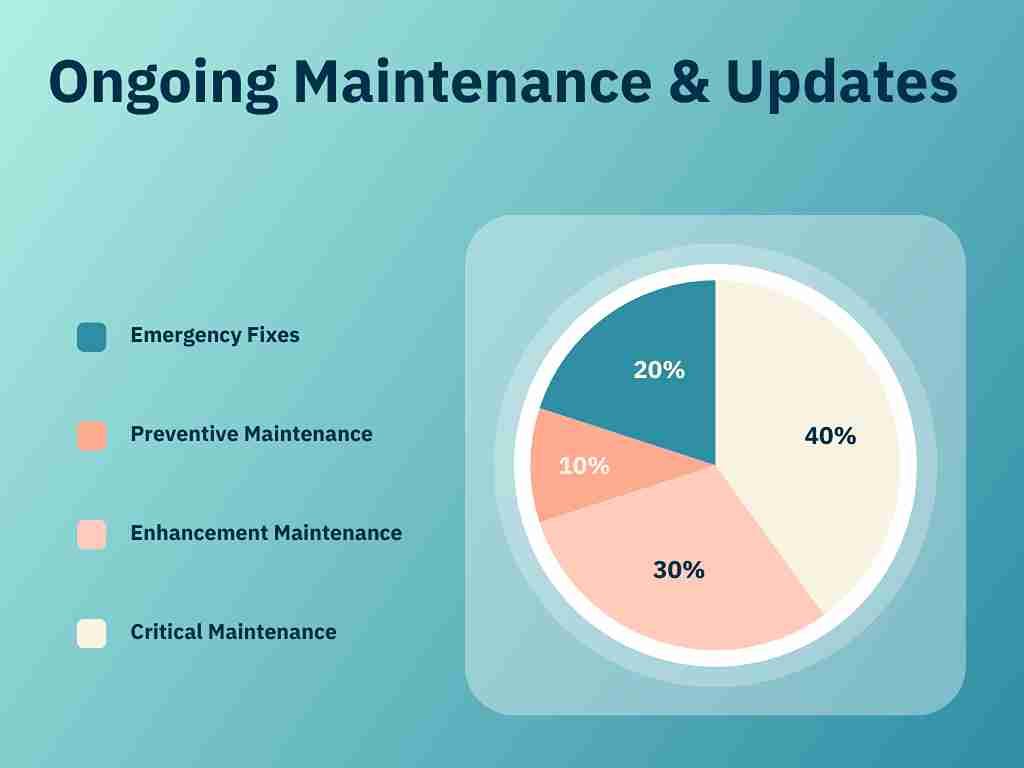
Break your maintenance budget into specific categories:
Critical Maintenance (40-50% of budget)
- Security patches and vulnerability fixes
- Operating system compatibility updates
- Critical bug fixes that affect core functionality
- Server maintenance and performance optimization
Enhancement Maintenance (30-40% of budget)
- Feature improvements based on user feedback
- UI/UX updates to maintain modern design standards
- Performance enhancements and optimization
- New feature development and integration
Preventive Maintenance (10-20% of budget)
- Code refactoring and technical debt reduction
- Automated testing and quality assurance improvements
- Documentation updates and knowledge management
- Team training and skill development
Establish Emergency Reserves (15-20% of budget)
Set aside 15-20% of your maintenance budget for unexpected issues. Critical security vulnerabilities, sudden platform changes, or major bugs discovered after release can require immediate attention and resources.
Without an emergency fund, these urgent fixes can force you to delay planned updates or compromise on quality to stay within budget.
Plan for Seasonal Variations
Maintenance costs aren’t constant throughout the year. Budget for higher expenses during:
- Major OS release periods (typically fall for both iOS and Android)
- Holiday seasons when user activity peaks
- Back-to-school periods for educational apps
- Tax season for financial apps
4. Prioritizing Maintenance Tasks for Maximum Impact
Not all maintenance tasks are created equal. Smart prioritization ensures you’re investing in updates that provide the greatest value to users and business objectives.
The Critical Path Method
Tier 1: Business-Critical Issues
- Security vulnerabilities
- App crashes affecting more than 5% of users
- Payment processing failures
- Data loss or corruption issues
Tier 2: User Experience Impactors
- Performance issues causing slow load times
- UI bugs affecting core functionality
- Compatibility issues with new devices or OS versions
- Feature requests from high-value users
Tier 3: Nice-to-Have Improvements
- Visual design updates
- Minor feature enhancements
- Code optimization projects
- Documentation improvements
Data-Driven Prioritization
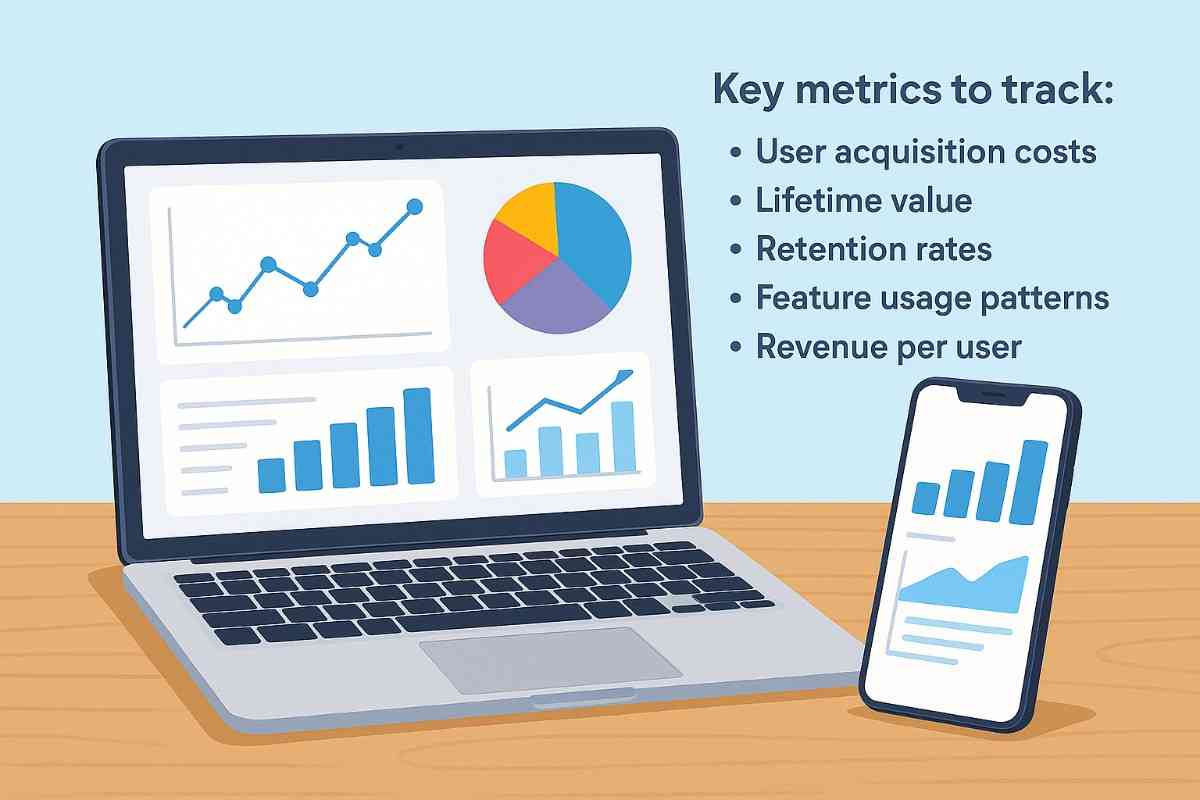
Use analytics to guide your maintenance priorities:
- Crash reporting: Identify and fix the most common crash causes
- User feedback: Address frequently reported issues
- Performance metrics: Focus on improvements that impact user retention
- Revenue impact: Prioritize fixes that directly affect monetization
5. App Development Funding Options for Long-Term Success
Securing funding for ongoing maintenance is as important as funding initial development. Different funding sources work better for different stages of your app’s lifecycle.
Revenue-Based Funding
The most sustainable approach is funding maintenance through app revenue. This requires:
- Clear monetization strategy from day one
- Realistic projections of user growth and lifetime value
- Diversified revenue streams to reduce dependency on single sources
Investor Funding for Growth
For apps with strong growth potential, investor funding can provide resources for aggressive maintenance and feature development. Angel investors typically provide $25,000-$100,000, while VCs can fund much larger maintenance and growth initiatives.
Subscription Models for Predictable Revenue
Subscription-based apps often have more predictable maintenance funding since revenue is recurring. This allows for more strategic long-term planning and consistent maintenance schedules.
6. ROI Strategies That Keep Your App Profitable
Maintenance shouldn’t be viewed as a cost center – it’s an investment in your app’s future profitability.
User Retention Through Quality
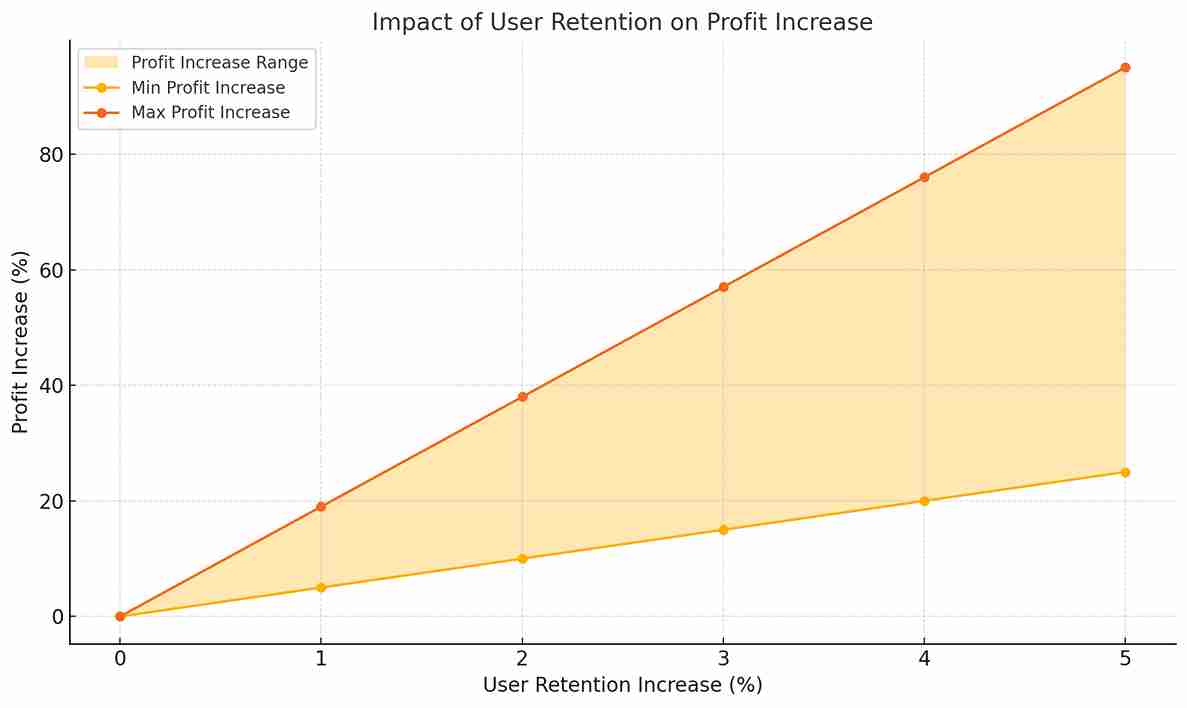
Every dollar spent on maintenance that improves user experience directly impacts retention rates. Increasing user retention by just 5% can increase profits by 25-95% according to research by Bain & Company.
Automated Efficiency
Invest in automation tools that reduce manual maintenance costs:
- Automated testing reduces QA costs by 40-60%
- Continuous integration/deployment reduces deployment time by 50-80%
- Automated monitoring catches issues before they impact users
Strategic Feature Development
Focus maintenance resources on features that drive revenue and user engagement. Use data analytics to identify which features provide the highest ROI and allocate maintenance resources accordingly.
7. Pro Tips for Managing Costs Without Compromising Quality
Negotiate Annual Contracts
Lock in favorable rates with development partners, hosting providers, and service vendors through annual contracts. Many providers offer 10-20% discounts for annual commitments.
Implement Phased Updates
Instead of large, expensive updates, implement smaller, more frequent updates. This approach reduces risk, provides faster user feedback, and spreads costs more evenly throughout the year.
Monitor and Optimize Continuously
Use performance monitoring tools to identify issues before they become expensive problems. Proactive monitoring can reduce emergency maintenance costs by 30-50%.
Build Internal Capabilities
For long-term cost reduction, consider building internal maintenance capabilities rather than relying entirely on external contractors. This requires upfront investment but can reduce long-term costs significantly.
8. The Bottom Line
App maintenance isn’t a necessary evil – it’s a strategic investment in your app’s long-term success. By understanding what drives costs, planning comprehensive budgets, and implementing smart ROI strategies, you can maintain a high-quality app without breaking your budget.
The most successful apps treat maintenance as an ongoing investment rather than a reactive expense. With proper planning, your maintenance budget becomes a competitive advantage that keeps your app relevant, secure, and profitable.
Remember: users have endless alternatives. The apps that invest in continuous improvement and quality maintenance are the ones that survive and thrive in the competitive mobile marketplace.
Don’t let poor maintenance planning destroy your app’s long-term success. Get a 15-minute free consultation with an experienced development strategist to diagnose the critical maintenance gaps threatening your app’s future, discover proven strategies that reduce costs while boosting user engagement by 300%+, and build a comprehensive optimization plan that covers budget allocation, performance monitoring, and strategic growth initiatives.