Whether you’re a first-time entrepreneur with a brilliant app idea or an experienced developer planning your next project, one question will inevitably keep you up at night: “How much will this actually cost, and how do I avoid budget disasters?”
Developing a mobile app involves multiple cost factors that can quickly spiral out of control if not carefully managed. The difference between a successful app launch and a financial nightmare often comes down to understanding what drives costs up, how to budget for the long haul, and knowing where to find the money to make it all happen.
In this comprehensive guide, we’ll break down everything you need to know about app development budgets, from initial development costs to ongoing maintenance, plus funding strategies that actually work.
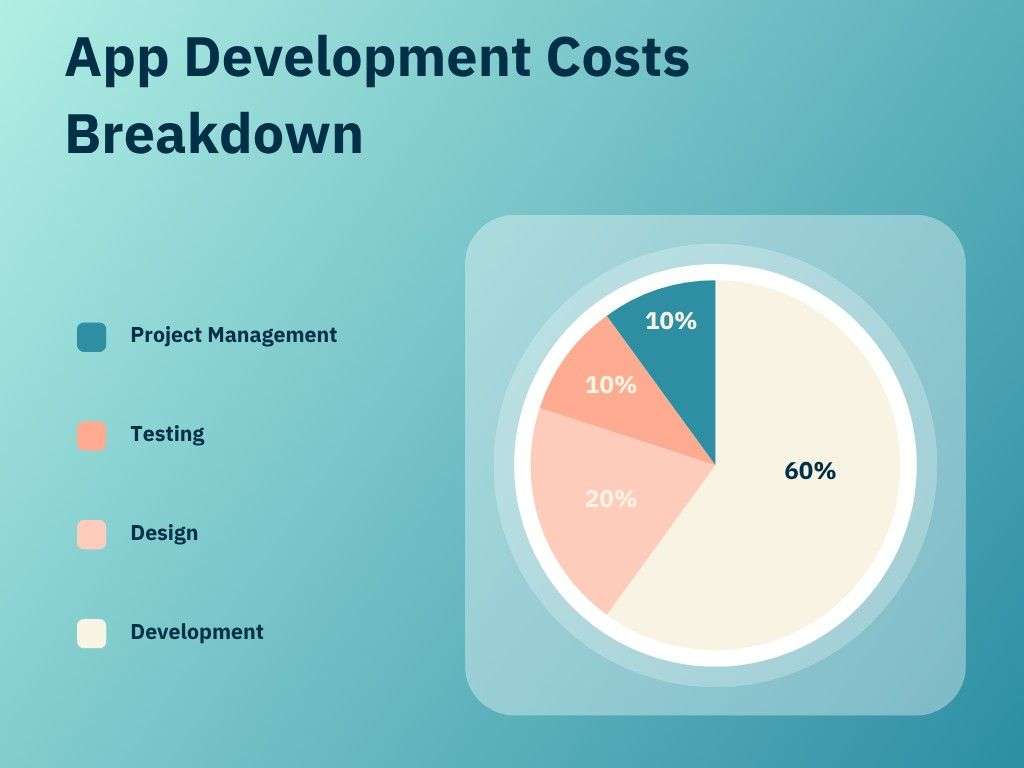
Table of Contents
- What Drives App Development Costs Sky-High
- The Hidden Costs Nobody Talks About
- How to Budget for Post-Launch Updates and Maintenance
- App Development Funding Options
- ROI Strategies That Actually Work
- Leverage Cost-Effective Tools
- Budget Breakdown: Real Numbers
- Cost-Saving Strategies Without Compromising Quality
- The Bottomline
1. What Drives App Development Costs Sky-High
The biggest mistake most people make when budgeting for app development is underestimating the complexity involved. It’s not just about building an app – it’s about building an app that works flawlessly across different devices, platforms, and user scenarios.
1.1 Complexity and Feature Overload
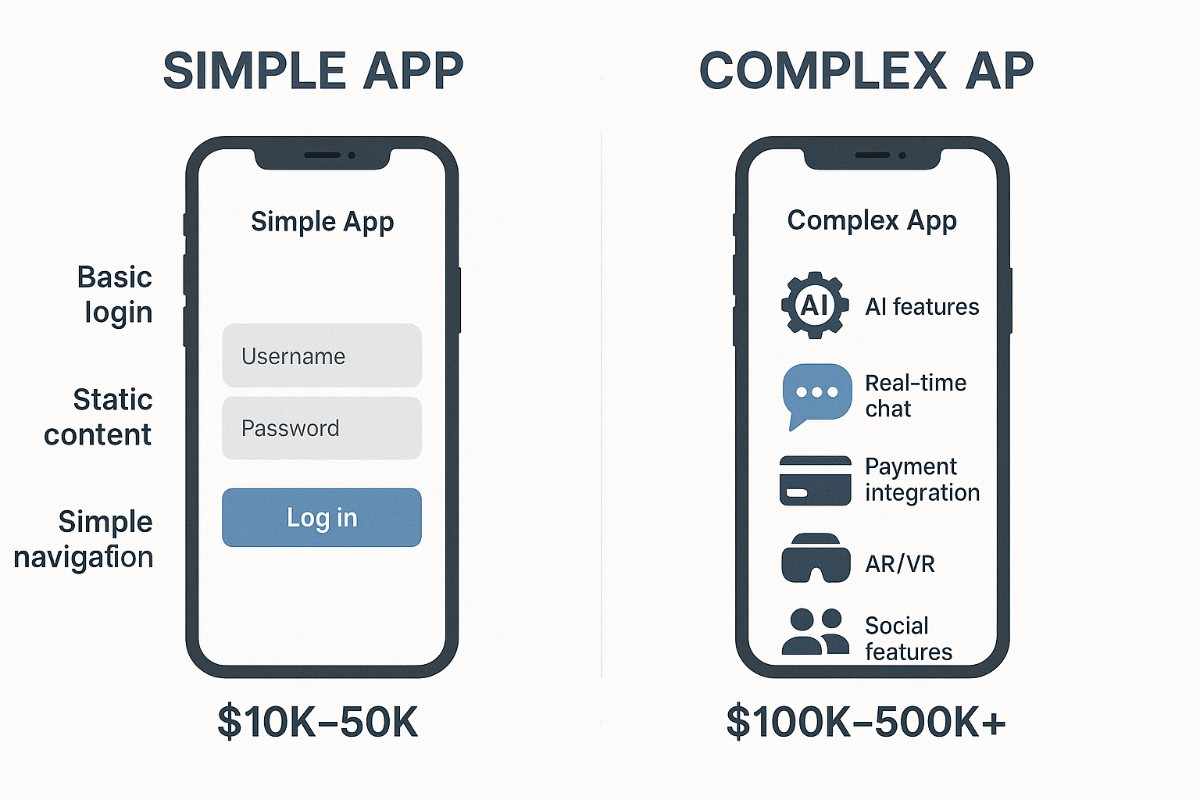
The most significant cost driver is your app’s complexity. Every feature, screen, and user interaction add layers of development time and testing requirements. Simple features like user registration might seem straightforward, but when you add password recovery, social media login, email verification, and security protocols, costs multiply rapidly.
Complex features such as payment processing, push notifications, or integration with emerging technologies like wearables or iBeacons can increase development time by 50-100%. For example, implementing secure payment processing beyond standard in-app purchases requires additional infrastructure, compliance certifications, and extensive security testing – all of which come with hefty price tags.
1.1 Platform Multiplication
Here’s where many budgets go sideways: developing for multiple platforms. Each platform – iOS, Android, or web – requires different coding languages, testing procedures, and optimization strategies. What seems like a simple “make it work on both iPhone and Android” request can double your development costs.
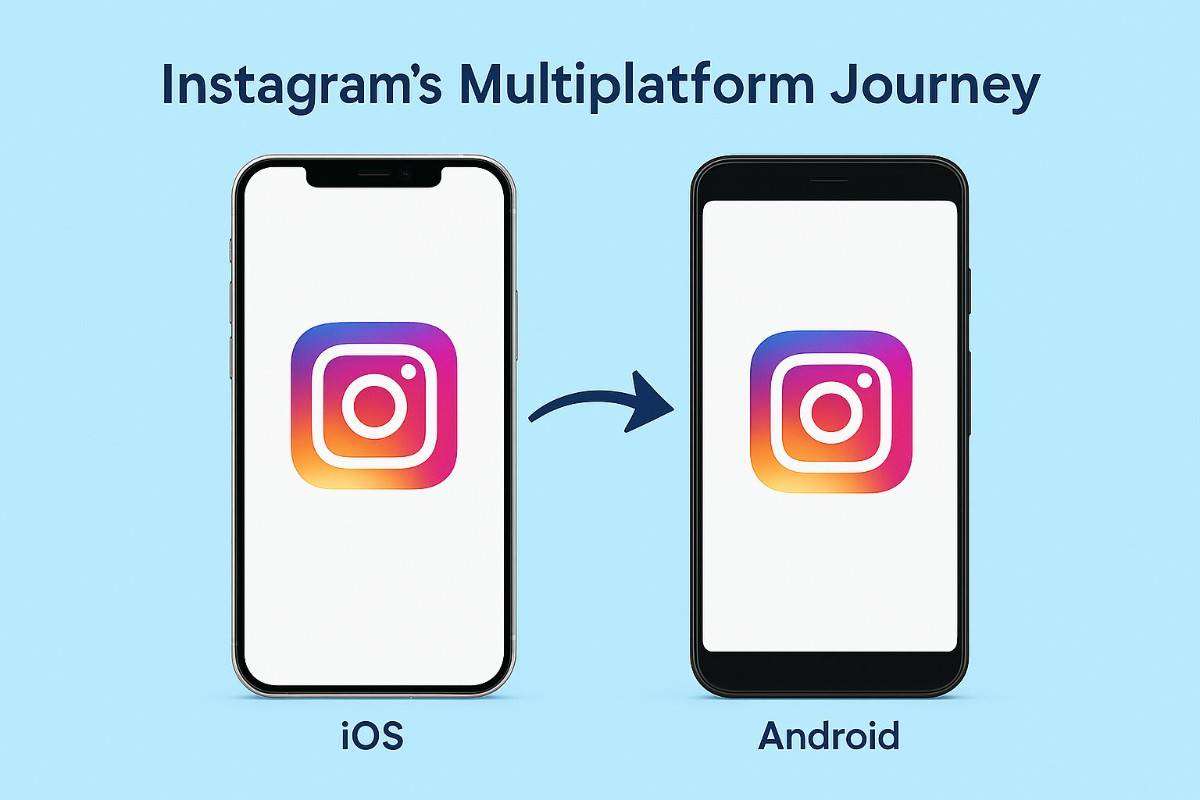
Many successful apps start with one platform, prove their concept, then expand. Instagram famously launched on iOS only, perfected their product, then moved to Android. This approach helps manage initial costs while validating your market.
1.2 The Unknown Factor
Incorporating cutting-edge or poorly documented technologies introduces unforeseen challenges that can derail budgets. When your development team encounters undocumented APIs or needs to build custom solutions for new tech, scope creep becomes inevitable.
1.3 Design That Converts
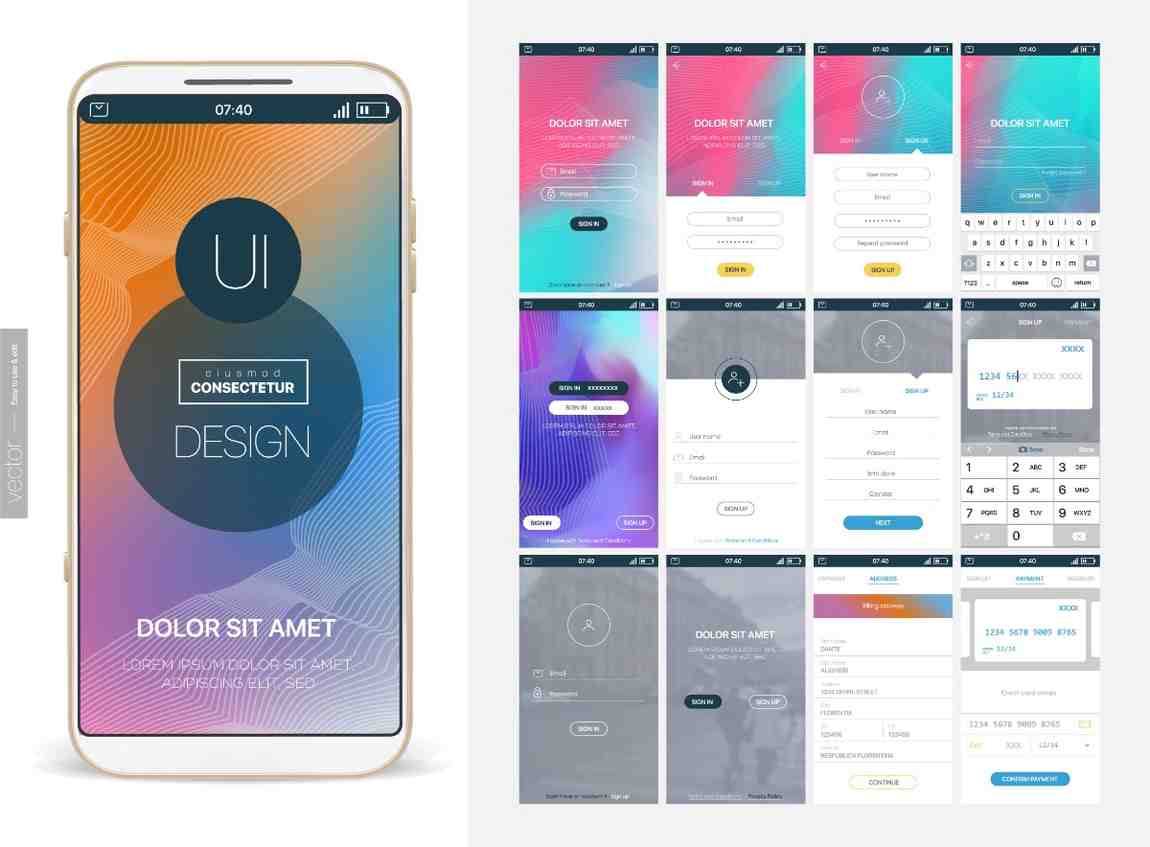
Custom, sophisticated UI/UX design significantly impacts your budget, but it’s often the difference between an app that succeeds and one that gets deleted after the first use. Users judge apps within seconds, and professional design directly correlates with user retention and engagement rates.
2. The Hidden Costs Nobody Talks About
Beyond the obvious development costs, several hidden expenses catch entrepreneurs off guard:
2.1 Third-Party Integrations
Every external service your app connects to – payment processors, analytics tools, cloud storage, social media APIs – comes with setup costs, monthly fees, and maintenance requirements.
2.2 App Store Fees
Apple takes 30% of all app revenue (15% for developers earning less than $1M annually), while Google Play has similar structures. These aren’t one-time costs – they’re permanent revenue shares.
2.3 Legal and Compliance
Privacy policies, terms of service, GDPR compliance, and intellectual property protection require legal expertise, especially for apps handling user data or payments.
2.4 Quality Assurance
Proper testing across different devices, operating system versions, and user scenarios is crucial but often underbudgeted. Poor testing leads to negative reviews and user churn.
3. How to Budget for Post-Launch Updates and Maintenance
Here’s the reality check most people aren’t prepared for: building your app is just the beginning. The real costs come after launch, and they never stop.
Think of your app like a car. You don’t just buy it and forget about it – you need regular maintenance, occasional repairs, and periodic upgrades to keep it running smoothly and safely.
3.1 Annual Maintenance: The 15-30% Rule
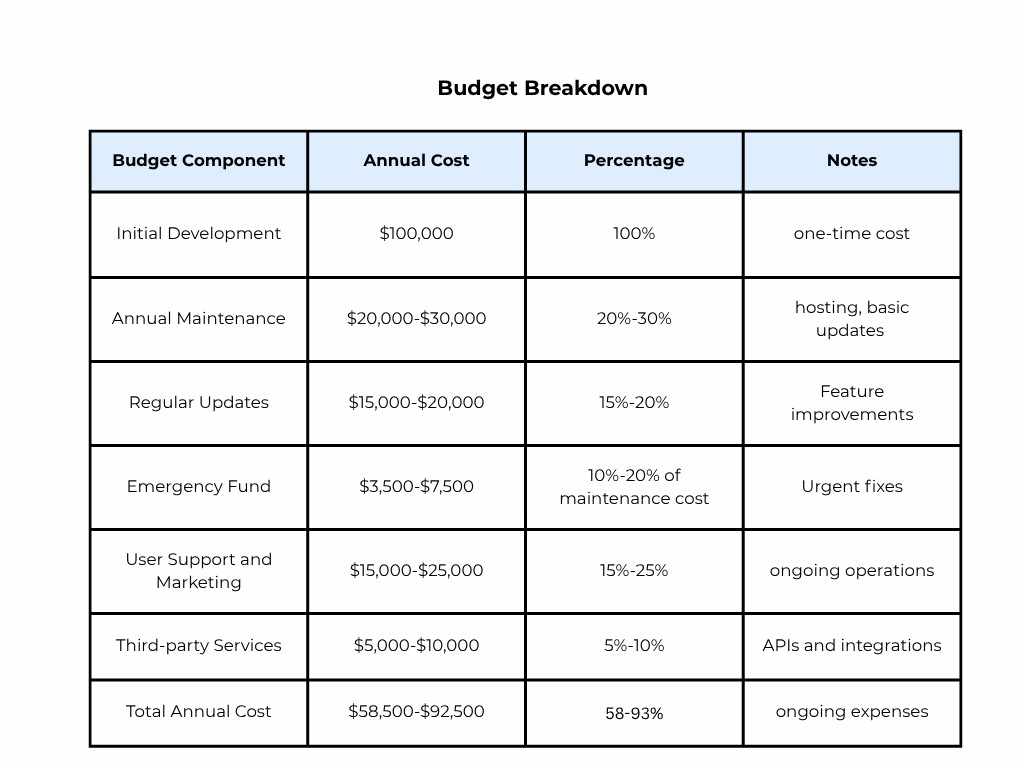
Plan to spend approximately 15-30% of your initial development cost annually on maintenance and updates. This covers server hosting, bug fixes, minor updates, and essential operations that keep your app functional and secure.
For a $100,000 app, you’re looking at $15,000-$30,000 per year in basic maintenance costs. This might seem shocking, but it’s the price of staying competitive in a rapidly evolving market.
3.2 Regular Updates: Staying Relevant
Plan for at least four minor updates per year, budgeting roughly 15-20% of your initial development cost annually. These updates aren’t optional – they’re essential for:
- Compatibility with new iOS and Android versions
- Security patches and bug fixes
- Feature improvements based on user feedback
- Performance optimizations
- UI updates to match current design trends
Major updates may require dedicated developer, designer, and tester hours. For a mid-sized app, four quarterly updates can cost upwards of $64,000 annually.
3.3 Emergency Fund: Your Safety Net
Set aside 10-15% of your maintenance budget for unexpected issues. Security vulnerabilities, critical bugs, or sudden platform changes can require immediate attention. Without an emergency fund, these urgent fixes can blow your budget or force you to delay other important updates.
3.4 User Support and Marketing: The Ongoing Battle
Allocate 15-25% of your ongoing budget for customer support and marketing efforts. Apps don’t market themselves, and user acquisition costs typically increase over time as competition intensifies.
Customer support becomes more complex as your user base grows. Users expect quick responses to issues, and poor support directly impacts app store ratings and reviews.
3.5 Third-Party Services: The Hidden Recurring Costs
Reserve 5-10% for API integrations, licensing, and other third-party costs. Many services offer attractive introductory pricing but costs scale with usage. A successful app might outgrow affordable pricing tiers quickly.
4. App Development Funding Options
Understanding your funding options helps you choose the right path for your specific situation and goals.
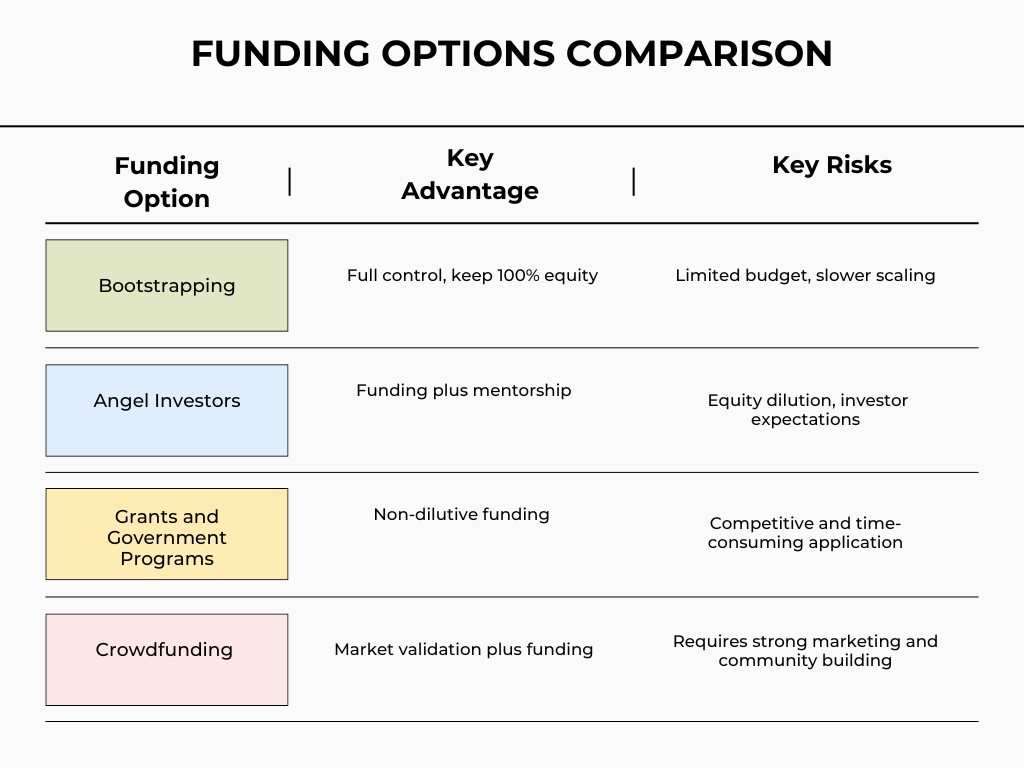
4.1 Bootstrapping: Full Control, Full Risk
Reserve 5-10% for API integrations, licensing, and other third-party costs. Many services offer attractive introductory pricing but costs scale with usage. A successful app might outgrow affordable pricing tiers quickly.
4.2 Angel Investors: Money Plus Mentorship
Angel investors typically invest around $330,000 and provide valuable mentorship and strategic support. They’re accessible for early-stage startups and often have relevant industry experience.
Angels look for:
- Strong founding teams with relevant experience
- Clear market opportunities
- Defensible business models
- Scalable technology solutions
4.3 Grants and Government Programs: Free Money (With Strings)
Programs like SBIR in the USA or Horizon Europe offer non-dilutive funding, especially for deep tech or research-heavy apps. The application processes can be lengthy and competitive, but successful applicants receive funding without giving up equity.
Grant funding works best for:
- Apps with social impact or public benefit
- Technology innovations with research components
- Startups in emerging tech sectors
4.4 Crowdfunding: Pre-Sell Your Vision
Platforms like Kickstarter and Indiegogo allow you to pre-sell your app or related products to raise development funds. This approach validates market demand while securing funding, but requires significant marketing effort to succeed.
Crowdfunding success factors:
- Compelling visual presentations
- Clear value propositions
- Strong social media presence
Realistic funding goals and timelines
4.5 No-Code Solutions and Bartering
No-code platforms like Bubble and Adalo can reduce development costs by 50-80% for certain types of apps. Alternatively, offering equity to developers instead of upfront payments can preserve cash while still accessing talent.
5. ROI Strategies That Actually Work
Maximizing return on investment requires strategic thinking about development, launch, and growth phases.
5.1 Agile Development and Iteration
No-code platforms like Bubble and Adalo can reduce development costs by 50-80% for certain types of apps. Alternatively, offering equity to developers instead of upfront payments can preserve cash while still accessing talent.
5.1 Agile Development and Iteration
Release early versions and iteratively improve based on user feedback. This approach optimizes resources and reduces time-to-market while ensuring you’re building features users actually want.
The minimum viable product (MVP) strategy helps you:
- Validate market demand with minimal investment
- Gather real user feedback before major feature investments
- Iterate quickly based on actual usage data
- Avoid building features nobody uses
5.2 Align Business Model with User Value
Choose monetization models that balance revenue generation with positive user experience. The best monetization strategies feel natural to users and enhance rather than detract from the app experience.
Subscription models work well for apps providing ongoing value, while one-time purchases suit utility apps. In-app purchases and advertising require careful implementation to avoid damaging user experience.
5.3 Data-Driven Enhancement
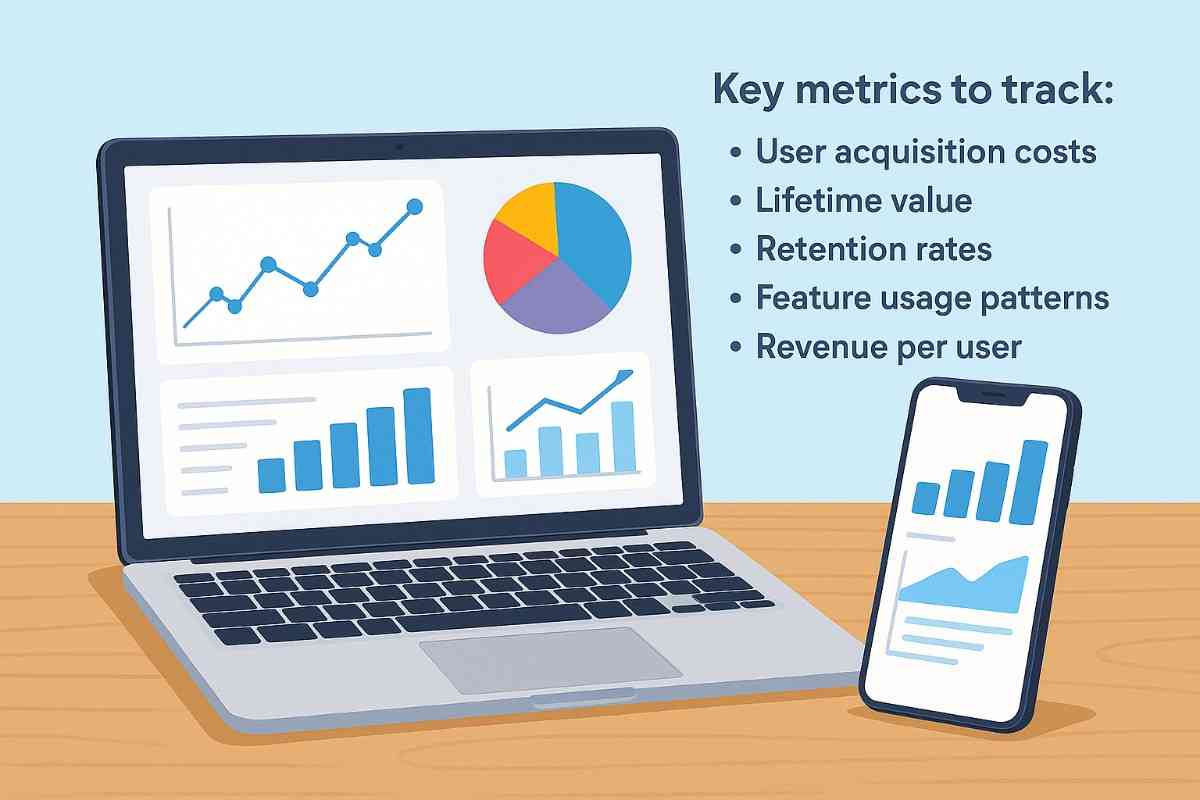
Use analytics to refine features and UI elements that boost user engagement and retention. Every improvement should be based on actual user behavior data rather than assumptions.
Key metrics to track:
- User acquisition costs
- Lifetime value
- Retention rates
- Feature usage patterns
- Revenue per user
6. Leverage Cost-Effective Tools
Modern development tools can significantly reduce costs without compromising quality. Cloud services, automated testing platforms, and development frameworks can cut development time by 30-50%.
Consider:
- Backend-as-a-Service platforms for rapid development
- Automated testing tools for quality assurance
- Analytics platforms for user behavior insights
- Customer support tools for efficient user management
7. Budget Breakdown: Real Numbers
Here’s a practical breakdown based on a $100,000 initial development cost:
8. Cost-Saving Strategies Without Compromising Quality
Smart cost management doesn’t mean cutting corners on quality. Here are proven strategies for optimizing your budget:
8.1 Start with One Platform
Perfect your app on iOS or Android before expanding. This reduces initial costs and allows you to refine the user experience based on real feedback.
8.2 Use Proven Technologies
Stick with established, well-documented technologies for your first version. Innovation can come later once you’ve proven market fit.
8.3 Outsource Strategically
Consider offshore development for certain components, but maintain local oversight for critical features and user experience design.
8.4 Plan for Scalability
Build your infrastructure to handle growth from day one. Retrofitting scalability is always more expensive than building it in initially.
8.5 Automate Everything Possible
Invest in automation tools for testing, deployment, and monitoring. The upfront cost pays dividends in reduced ongoing maintenance expenses.
9. The Bottomline
App development budgeting isn’t just about the initial build – it’s about planning for long-term success. The most successful apps treat development costs as ongoing investments rather than one-time expenses.
By understanding what drives costs up, planning for post-launch expenses, and choosing the right funding and ROI strategies, you can build a sustainable app business without breaking the bank.

Remember: a well-planned budget is your roadmap to success. It’s better to start with realistic expectations and adequate funding than to run out of money halfway through development.
The app market rewards quality, consistency, and user focus. With proper budgeting and strategic planning, your app can join the ranks of successful, profitable mobile applications that provide real value to users while generating strong returns for developers.
Ready to create a realistic budget that sets your app up for success? Book a 15-minute free consultation with a real developer to get a detailed cost breakdown, explore funding options, and develop a strategic budget plan that covers everything from development to post-launch maintenance.