You’ve got a brilliant app idea that could change everything. You’re excited, motivated, and ready to build the next big thing. But here’s the harsh reality: 90% of apps fail within their first year, and most of these failures could have been prevented.
The difference between apps that succeed and those that crash and burn isn’t just about having a great idea – it’s about avoiding the critical mistakes that derail projects before they even reach users. These aren’t small oversights; they’re project killers that waste months of work, drain budgets, and crush entrepreneurial dreams.

In this comprehensive guide, we’ll expose the most dangerous mistakes that destroy app projects and give you the exact strategies successful developers use to avoid them.

Table of Contents
- The Fatal Flaw: Building Without Purpose
- Market Research Disasters That Doom Apps
- Timeline Disasters: When Optimism Becomes Expensive
- UX Nightmares That Drive Users Away
- Feature Overload: The Complexity Trap
- Budget Catastrophes and Financial Blindness
- Testing Failures That Destroy Reputations
- The Feedback Vacuum: When Pride Kills Progress
- Post-Launch Abandonment: The Silent Killer
- Communication Breakdowns That Destroy Teams
- The Bottom Line: Building Success, Not Just Apps
1. The Fatal Flaw: Building Without Purpose
The most devastating mistake in app development isn’t technical – it’s conceptual. Teams rush into development without clearly defining what their app actually does or who it serves.
The Real Cost: Projects without clear purpose waste 40-60% more time on development because teams constantly change direction. They build features that contradict each other and ultimately produce apps that have no compelling reason to exist.
Your Defense Strategy: Start with a one-sentence value proposition that a five-year-old could understand. Create a feature priority matrix that directly links each potential feature to your core purpose. If a feature doesn’t clearly advance your main value proposition, it belongs in a future version.
2. Market Research Disasters That Doom Apps
Most app failures aren’t because of bad execution – they’re because of bad assumptions. Developers consistently overestimate demand for their ideas and underestimate the complexity of user behavior.
The Assumption Trap: “People will love this because I would love this” is the most expensive assumption in app development. Personal preferences don’t translate to market demand, and ignoring competitors doesn’t make them disappear.
Your Market Intelligence System: Conduct at least 25 user interviews before writing a single line of code. Ask about current solutions, pain points, and willingness to pay. Create competitor analysis sheets that go beyond surface features – understand their business models and customer complaints.

3. Timeline Disasters: When Optimism Becomes Expensive
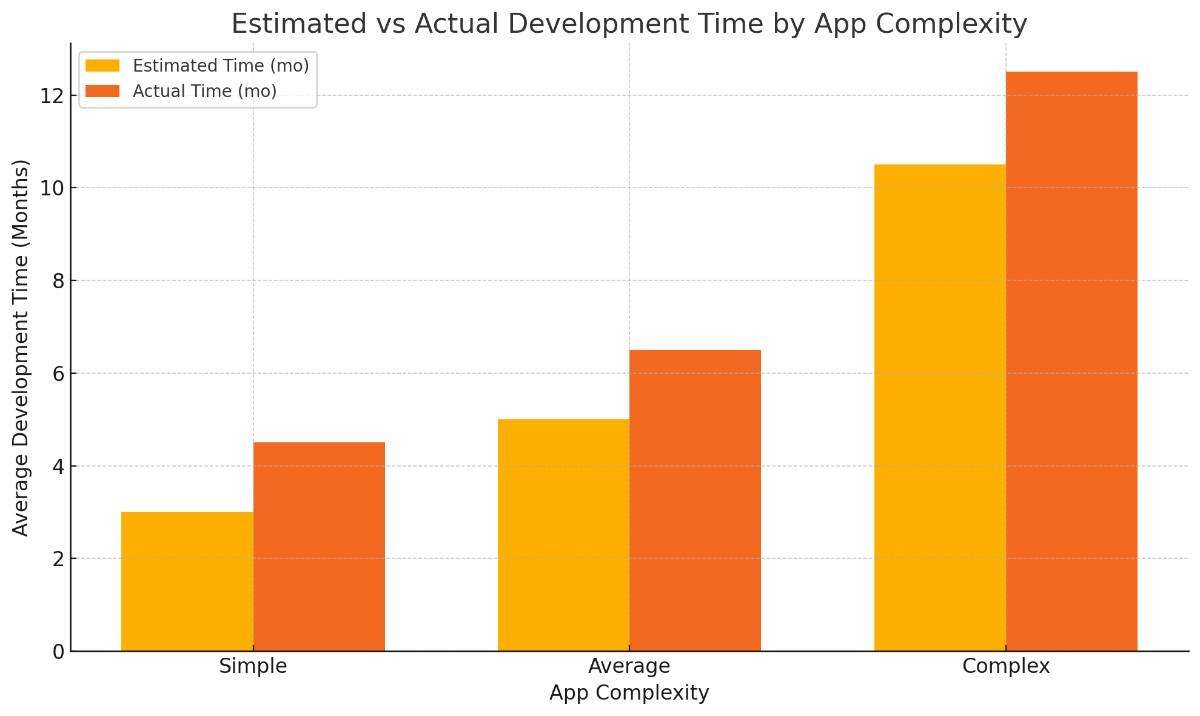
Teams consistently underestimate development time by 50-100%, leading to rushed work, missed deadlines, and catastrophic budget overruns.
The Pressure Cooker Effect: Unrealistic deadlines create a vicious cycle: rushed code leads to more bugs, which require more time to fix, which increases pressure, which leads to more rushed decisions.
Your Timeline Reality Check: Use the “padding principle”: take your initial time estimate and multiply by 1.5 for simple features, 2.0 for complex features, and 2.5 for anything involving third-party integrations. Create milestone-based timelines with built-in review points every two weeks.
4. UX Nightmares That Drive Users Away
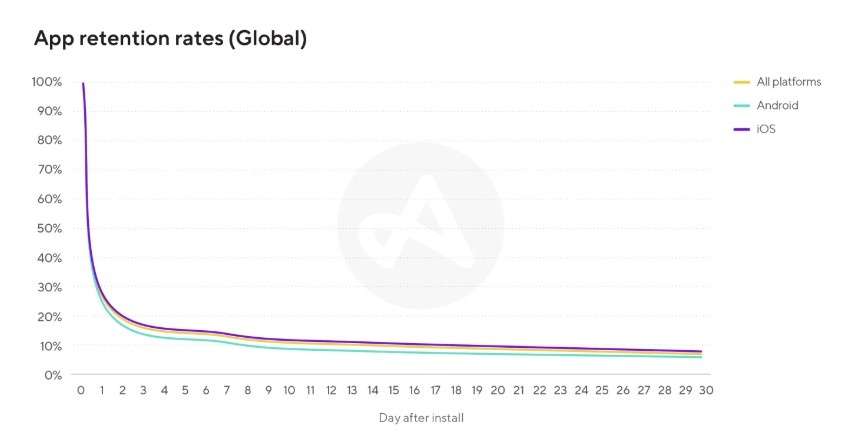
Apps with poor UX lose 90% of users within the first week, regardless of how powerful their features are. Every additional tap, swipe, or decision point reduces retention rates and increases abandonment rates.
The Platform Inconsistency Problem: Apps that ignore platform-specific design guidelines feel foreign to users. iOS users expect certain behaviors, Android users expect others, and violating these expectations creates immediate friction.
Your UX Success Framework: Map complete user journeys from app download to core value delivery. If a user can’t reach your app’s core value within 30 seconds, you’re losing them. Conduct usability tests with five real users before finalizing any major interface decision.
5. Feature Overload: The Complexity Trap
The most counterintuitive mistake in app development is trying to do too much. Features that seem essential often become barriers to user adoption and technical debt that slows future development.
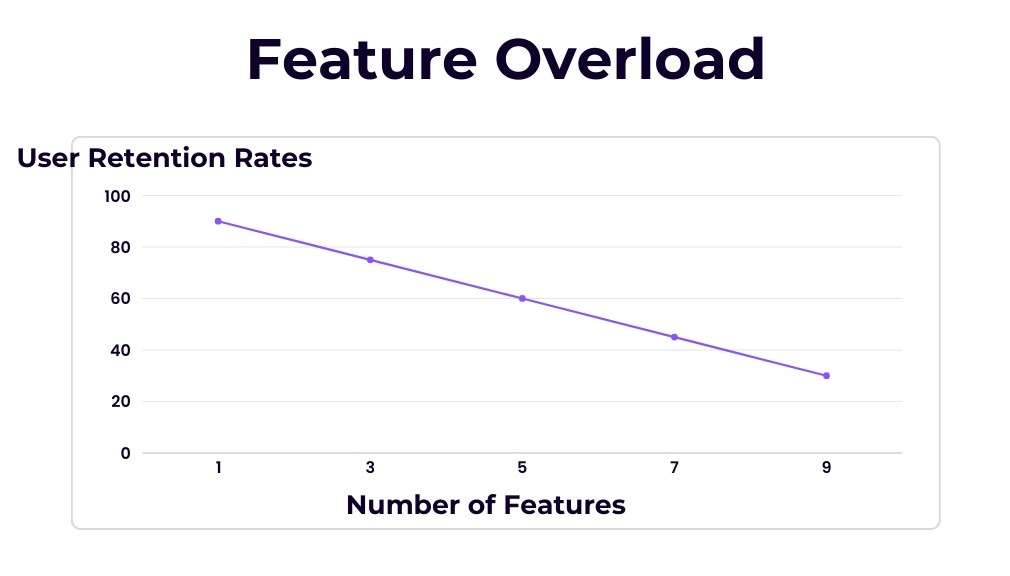
The Swiss Army Knife Fallacy: Apps that try to solve every related problem typically solve none of them well. Users prefer specialized tools that excel at specific tasks over general-purpose tools that are mediocre at everything.
Your Feature Discipline System: Create a “feature kill list” alongside your development roadmap. For every feature you add, identify two that you won’t build. Implement the “30-day rule”: any feature that doesn’t directly contribute to user retention or revenue within 30 days of launch should be postponed.
6. Budget Catastrophes and Financial Blindness
Budget overruns kill more app projects than technical failures. Initial development costs represent only 60-70% of total project expenses. Integration costs, compliance requirements, and post-launch support create substantial additional expenses.
The Revenue Timing Gap: Most apps take 6-12 months to generate meaningful revenue after launch, but ongoing costs start immediately. Teams that don’t plan for this gap face financial crises just as their apps start gaining traction.
Your Financial Defense Strategy: Create three budget scenarios: optimistic, realistic, and pessimistic. Plan for the realistic scenario but secure funding for the pessimistic one. Establish monthly budget reviews that track actual spending against projections.
7. Testing Failures That Destroy Reputations
Poor testing is the fastest way to transform excited early users into vocal critics. Apps that crash, lose data, or behave unpredictably create negative reviews that are almost impossible to overcome.
The Device Diversity Challenge: Testing on a few devices doesn’t represent real user conditions. Different Android versions, screen sizes, and hardware configurations create unexpected behavior that only emerges at scale.
Your Quality Assurance System: Implement automated testing for core user flows before writing interface code. Create a device testing matrix that covers at least 80% of your target market’s hardware using cloud testing services.
8. The Feedback Vacuum: When Pride Kills Progress
Successful apps evolve based on user feedback, but many developers create feedback vacuums that prevent them from learning what users actually want.
The Expert Trap: Developers who know their apps intimately often dismiss user feedback as uninformed. This creates a dangerous disconnect between creator vision and user reality.
Your Feedback Integration System: Establish feedback collection before you build anything. Use prototype testing, beta programs, and regular user interviews throughout development. Create feedback response protocols that acknowledge user input within 24 hours and implement changes within two weeks when possible.
9. Post-Launch Abandonment: The Silent Killer
The most insidious mistake in app development is treating launch as the finish line. Apps that don’t evolve die slowly, losing users to more actively maintained competitors.
The Update Neglect Problem: Apps that don’t receive regular updates feel abandoned to users. Platform changes, security vulnerabilities, and competitor improvements make static apps obsolete quickly.

Your Long-Term Success Strategy: Reserve 30-40% of your total budget for post-launch activities. This includes bug fixes, feature updates, customer support, and marketing activities that drive continued growth. Create update schedules that maintain user engagement without overwhelming your development resources.
10. Communication Breakdowns That Destroy Teams
Poor communication creates more project failures than technical challenges. When team members work with different assumptions, small problems become major crises.
The Status Reporting Vacuum: Projects without clear status reporting systems hide problems until they become disasters. By the time issues surface, they’re often too expensive to fix properly.
Your Communication Excellence System: Establish daily check-ins that focus on blockers, dependencies, and next steps. Use project management tools that provide real-time visibility into progress and challenges. Create decision documentation that records not just what was decided, but why.
11. The Bottom Line: Building Success, Not Just Apps
Avoiding these mistakes isn’t about perfect planning – it’s about building systems that catch problems early and respond appropriately. The most successful apps come from teams that learn quickly, adapt continuously, and stay focused on user value.
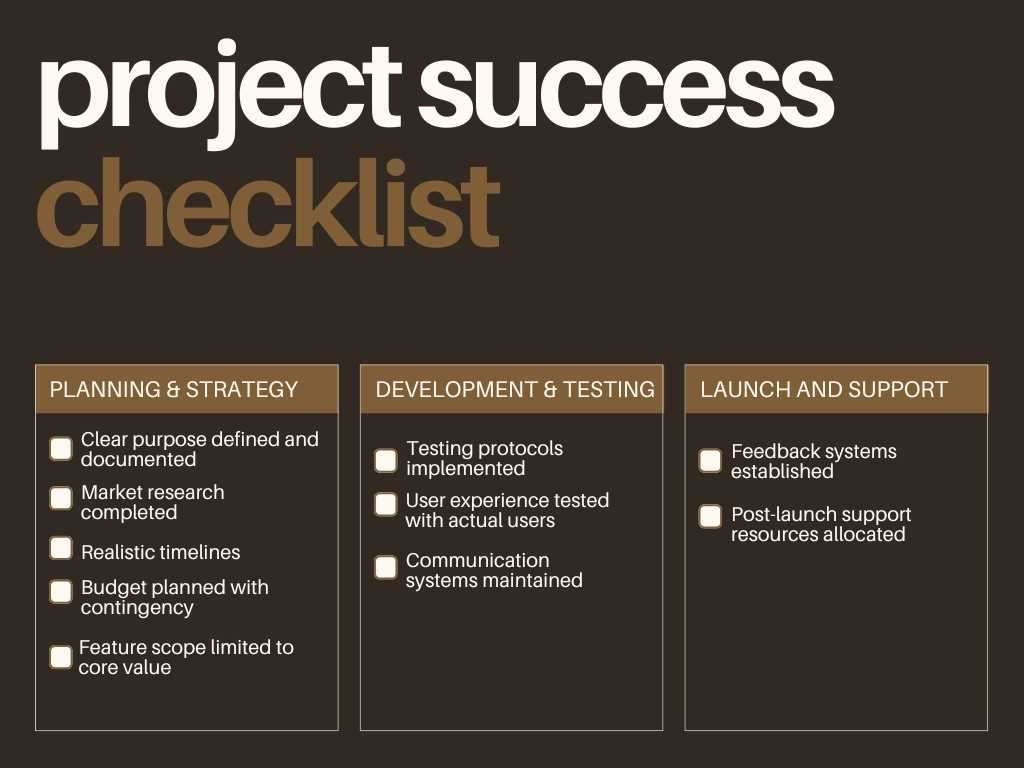
Remember: successful app development isn’t about avoiding all mistakes – it’s about avoiding the mistakes that kill projects. By implementing these strategies, you transform app development from a risky gamble into a manageable process that consistently produces successful results.
The app market rewards teams that combine great ideas with excellent execution. With proper mistake prevention and strategic planning, your app can join the small percentage that not only launch successfully but thrive in the competitive mobile marketplace.

Ready to turn your app vision into a bulletproof project that avoids the pitfalls that destroy 90% of mobile apps? Book a 15-minute free consultation with a seasoned app development expert to get a comprehensive project risk assessment, explore proven mistake-prevention strategies, and develop a failure-proof development roadmap that covers everything from market validation and timeline planning to post-launch success metrics and long-term growth strategies.