Whether you’re a seasoned developer who’s already launched a successful app or completely new to the mobile market, one question always emerges: “How do I build an app that users will actually want and use?” The answer lies in smart planning from day one.
Building a successful mobile app requires more than just a great idea. With millions of apps competing for user attention, those built with thoughtful planning from the ground up consistently outperform rushed competitors. You’ll need strategic planning, clear vision, and systematic execution to stand out in today’s crowded marketplace.
This comprehensive guide will walk you through the essential elements of app planning, from defining your core purpose to avoiding common pitfalls that derail projects. Let’s dive into what separates successful apps from the countless failures cluttering app stores.

1. Defining Your App’s Core Purpose and Key Features
1.1 Start with the Fundamental Questions
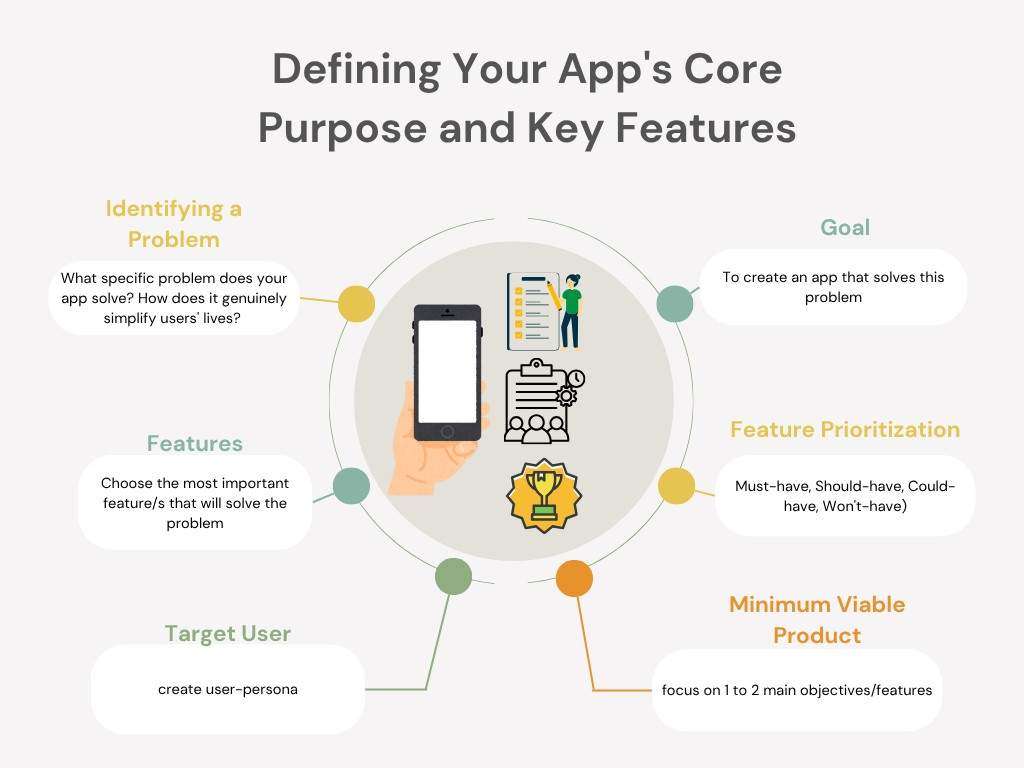
Before you write a single line of code, you must establish crystal-clear understanding of your app’s purpose. What specific problem does your app solve? How does it genuinely simplify users’ lives? These aren’t just philosophical questions—they’re the foundation that will shape every feature decision and marketing strategy moving forward.
Here’s what separates successful apps from failures: focus. The most successful apps tackle 1-2 main objectives rather than trying to be everything to everyone. This focused approach ensures your app remains user-friendly and doesn’t overwhelm users with unnecessary complexity. A scattered approach often leads to apps that do many things poorly rather than a few things exceptionally well.
Consider Instagram’s early success. They started as a simple photo-sharing app with basic filters, not a comprehensive social media platform. That laser focus on one core function helped them build a massive user base before expanding features.
1.2 Know Your Target Audience Inside and Out
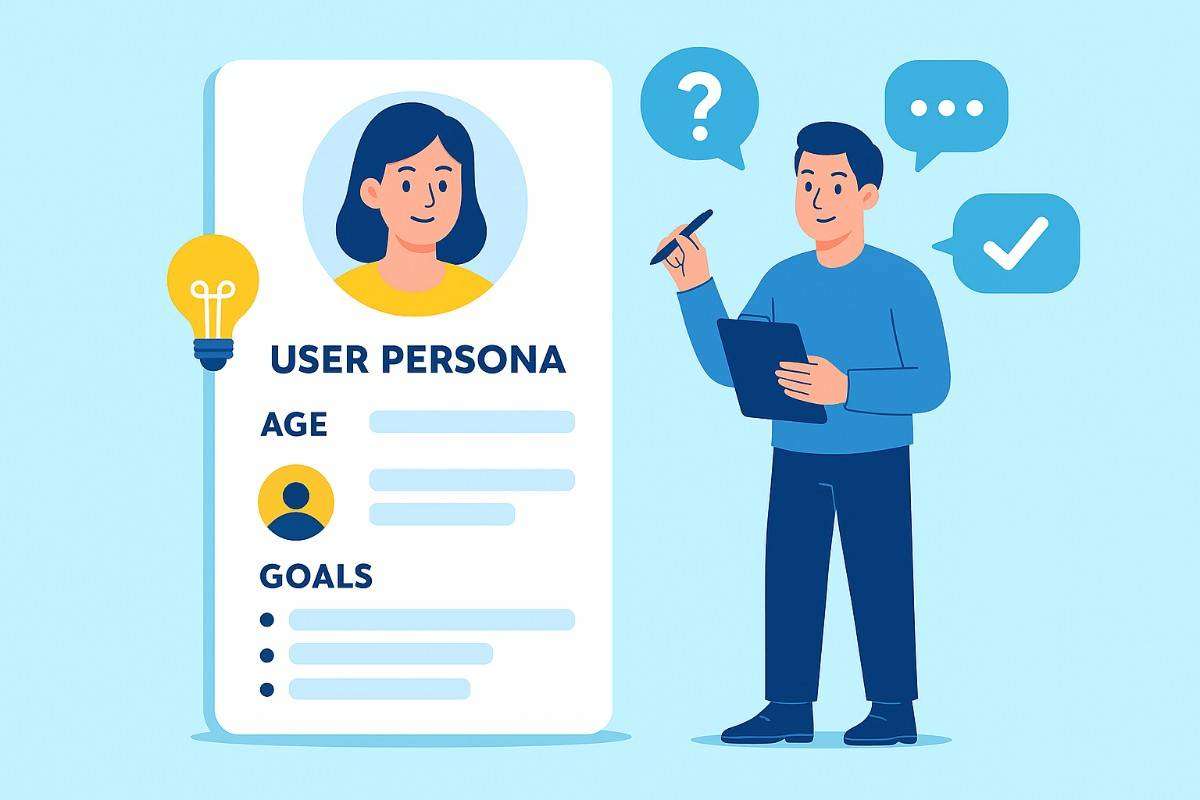
Creating detailed user personas isn’t just a nice-to-have—it’s essential for effective app planning. These personas should go beyond basic demographics to include technology preferences, daily challenges, behavioral patterns, and specific needs. Understanding your audience at this granular level helps you prioritize features that truly resonate with users while avoiding the costly mistake of building functionalities nobody wants.
You’ll want to conduct user interviews, surveys, or focus groups during this stage. The insights you gather will prove invaluable when making difficult decisions about which features to include, exclude, or postpone. Remember, you’re not building an app for yourself—you’re building it for your users.
Don’t assume you know what users want. Even experienced developers get this wrong. Validate your assumptions with real data from real people who represent your target market.
1.3 Master the Art of Feature Prioritization
One of the biggest mistakes new app developers make is trying to include every possible feature in their initial release. This kitchen-sink approach typically leads to increased costs, delayed timelines, and a confusing user experience that frustrates users rather than delighting them.
Instead, focus on creating a Minimum Viable Product (MVP) that includes only the core functionalities needed to solve your users’ primary problem. List all potential features, but be ruthless in your prioritization. Features that serve your primary user personas and address their most critical pain points should take precedence. Secondary features can be added in future updates based on user feedback and market validation.
Think of your MVP as a proof of concept. It should demonstrate your app’s core value proposition without unnecessary bells and whistles. You can always add features later, but you can’t take back a confusing first impression.
2. Creating a Roadmap from Idea to Launch
2.1 Conduct Thorough Market Research
Before committing significant resources to development, invest time in comprehensive market research and competitive analysis. Study existing solutions in your space, identify gaps in the market, and validate your idea through data-driven insights. Tools like Google Trends, App Annie, and SurveyMonkey can provide valuable information about market demand and user preferences.
This research phase isn’t just about confirming there’s a market for your app—it’s about understanding how to position your app uniquely and what features will differentiate it from competitors. You’ll discover opportunities your competitors missed and identify potential roadblocks before they become expensive problems.
Don’t skip this step. Insufficient market research is one of the leading causes of app failure. Many developers fall in love with their idea and assume everyone else will too, only to discover they’ve built something nobody wants.
2.2 Transform Ideas into Visual Plans
Once you’ve validated your concept, translate your ideas into wireframes and user flows. This visualization process helps you map out the app’s structure and user journey before development begins. Wireframing serves multiple purposes: it aligns your team around a shared vision, helps identify potential usability issues early, and provides a clear blueprint for developers to follow.
During this phase, focus on creating intuitive user flows that guide users smoothly from initial app opening to completing key actions. Consider every step of the user journey and eliminate unnecessary friction points that might cause users to abandon the app.
Your wireframes don’t need to be perfect works of art. They should be clear, functional representations of your app’s structure and flow. Save the visual polish for later—focus on getting the user experience right first.
2.3 Establish Realistic Development Timelines
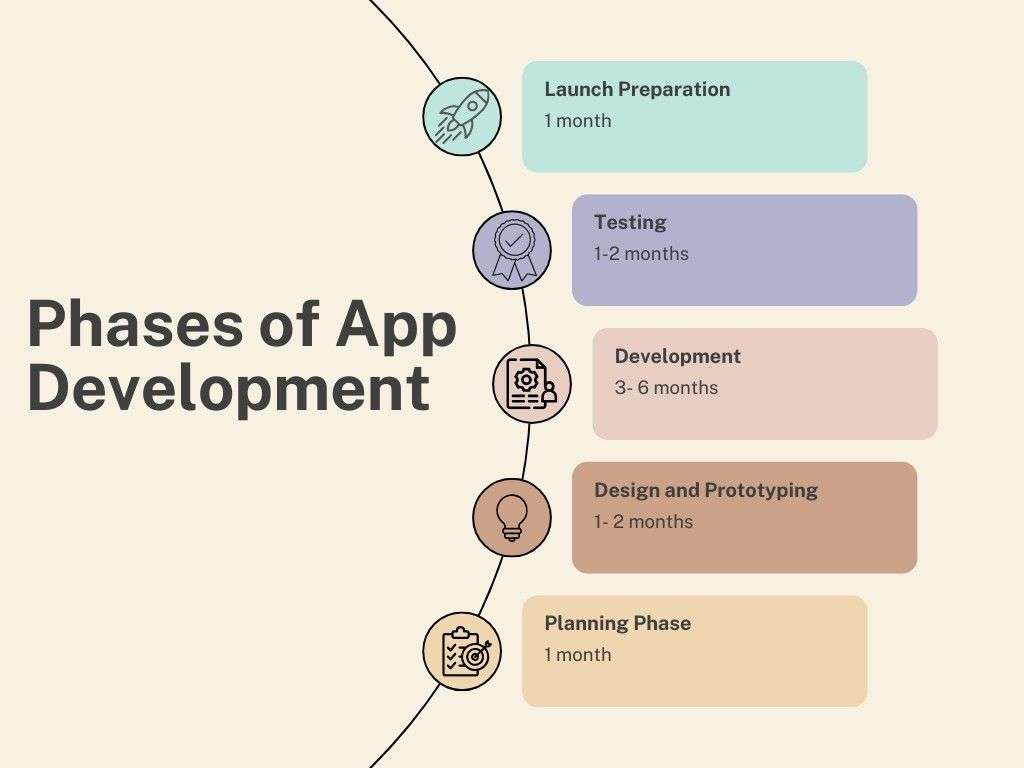
App development typically spans 6 to 12 months, but timelines vary significantly based on complexity and team size. Here’s a realistic breakdown you can expect:
Planning Phase: 1 month for research, wireframing, and requirement gathering. This groundwork phase is crucial and shouldn’t be rushed.
Design and Prototyping: 1-2 months for creating visual designs and interactive prototypes. Quality design takes time, and rushing this phase often leads to costly redesigns later.
Development: 3-6 months for coding, depending on features and platform complexity. Complex apps with advanced features may require longer development periods.
Testing: 1-2 months for comprehensive quality assurance and bug fixing. Thorough testing prevents embarrassing bugs and poor user experiences.
Launch Preparation: 1 month for app store submission, marketing preparation, and final refinements. Don’t underestimate the time needed for a successful launch.
Remember, these are estimates, and it’s better to plan conservatively and deliver early than to overpromise and disappoint stakeholders. Buffer time for unexpected challenges—they always come up.
2.4 Embrace Iterative Development
Adopt an agile development approach that allows for continuous feedback and improvements. This methodology acknowledges that user needs and market conditions evolve, and your app should be flexible enough to adapt. Plan for post-launch iterations and improvements based on user feedback and analytics data.
Your first version won’t be perfect, and that’s okay. The goal is to launch something valuable, then improve it based on real user feedback. This approach gets you to market faster and ensures you’re building features users actually want.

3. Avoiding Common Planning Pitfalls
3.1 Don’t Skip the Research Phase
The excitement of a new app idea can tempt you to jump straight into development, but this approach often leads to costly mistakes. Insufficient market and user research is a primary cause of app failure. Invest adequate time upfront to understand your audience, analyze competitors, and validate your concept through real user feedback.
You might think you’re saving time by skipping research, but you’re actually setting yourself up for expensive pivots or complete project failure. A few weeks of research can save you months of building the wrong thing.

3.2 Resist Feature Overload
Adding too many features or attempting to launch on multiple platforms simultaneously can inflate costs and significantly delay your project. Start with one platform (typically iOS or Android based on your target audience) and focus on core features that deliver maximum value.
You can always expand to additional platforms and add features based on user feedback and market success. Many successful apps started on a single platform before expanding. Focus on doing one thing exceptionally well rather than many things poorly.
3.3 Prioritize Comprehensive Testing
Rigorous testing across different devices, operating systems, and user scenarios is critical for ensuring a smooth user experience. A buggy app can destroy user trust and lead to negative reviews that are difficult to overcome. Consider engaging professional testers or third-party testing teams to catch issues that your internal team might miss.
Testing should cover functionality, performance, usability, and security aspects. Don’t treat testing as an afterthought—build it into your development timeline from the beginning. Your reputation depends on launching a polished, reliable app.
3.4 Plan Your Launch Strategy
An unplanned or rushed launch can undermine months of development work. Prepare a comprehensive promotional strategy that includes app store optimization, marketing campaigns, and user acquisition tactics. Gather feedback from beta testers and be prepared to iterate quickly after release based on initial user responses.
Consider soft-launching in select markets to test your app’s performance and gather feedback before a full-scale launch. This approach allows you to refine your app and marketing strategy based on real-world data rather than assumptions.
4. Building for Long-Term Success
Successful app planning extends beyond the initial launch. Plan for ongoing maintenance, feature updates, and user support from the beginning. Consider how you’ll gather and analyze user feedback, what metrics you’ll track to measure success, and how you’ll prioritize future feature development.
Your app’s launch is just the beginning of its journey. The most successful apps continuously evolve based on user feedback and changing market conditions. Build systems for collecting and analyzing user data, responding to support requests, and planning future updates.
By following these fundamentals—defining a clear purpose, understanding your users deeply, creating a phased roadmap, and avoiding common mistakes—you’ll be well-positioned to build a smarter app that meets user needs effectively and launches successfully in today’s competitive market.
Remember, great apps aren’t built by accident. They’re the result of thoughtful planning, careful execution, and continuous improvement based on user feedback. Take the time to plan properly, and your app will have a much better chance of succeeding in the crowded mobile marketplace.
Ready to turn your app idea into reality? Book a 15-minute free consultation with a real developer to get personalized cost estimates and expert guidance tailored to your specific project needs. Don’t let budget uncertainty hold you back – schedule your consultation today and take the first step toward launching your successful app.